NBA-001 · Application note
One platform for fuel cells, solar and field devices
- Company
- Ensol Systems Inc.
- Role
- Application Engineer
- Period
- Nov 2021 – Feb 2025
- Fleet
- ~270 deployed units
Abstract
Ensol builds controllers that monitor and manage off-grid power: fuel cells, solar, batteries and generators on remote sites. As Application Engineer, Neeraj wrote the device communication that brought this equipment onto one platform, merged an acquired company’s products into it, and added the security and networking features customers needed to run it on their own networks. The platform runs on about 270 deployed units: 70 to 80 connected to the cloud and around 200 standalone.
1System overview
The work followed the whole signal path, from a device terminal block to a customer’s dashboard.
2Platform consolidation
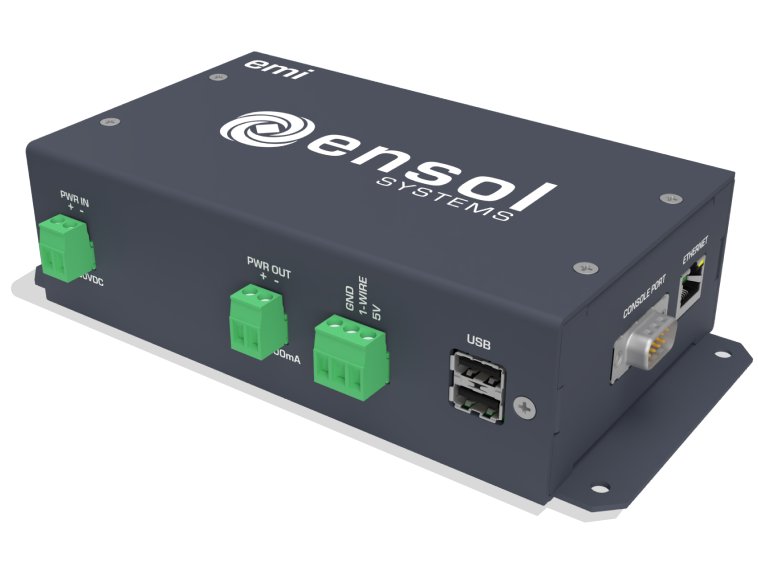
The EMI (Ensol Monitoring Interface) controller was made by Ethertek. Two years into Neeraj’s time at Ensol, Ensol bought Ethertek, which came with three devices, each adding features to the one before.
Neeraj led the work in two stages. First, he led bringing all three devices under the Ensol brand, offered as standard and professional versions. Then he led combining them into a single feature-stackable board: one base design, with add-ons for each site’s needs instead of three separate products.
3Device integration
Neeraj wrote the C++ communication on the Ensol EMI board that reads from and writes to each device, and integrated PLC data over Modbus.
| Category | Devices |
|---|---|
| Fuel cells | EFOY 1800, 2400 and 2800 (Gen 3); Enerday (formerly Sunfire); Enapter; Adaptive Energy; Intelligent Energy |
| Solar charge controllers | Morningstar ProStar (MPPT and PWM), TriStar; Midnite Solar |
| Charging | WiBotic wireless chargers; Dex drone box battery charging |
| Site equipment | Axis cameras, weather stations, generators, modems and switches, Linux machines |
| Industrial control | PLCs over Modbus TCP and RTU |
4Security and networking
Customers wanted to put the controller inside corporate networks. These features made that possible.
| Feature | What it does |
|---|---|
| Authentication | Basic and token authentication, with an option to rotate tokens at an interval the user sets |
| User management | Multi-user login with different levels of access |
| Certificates | Upload of server and MQTT certificates so the device fits the customer’s own setup |
| VLAN | VLAN support for segmented corporate networks |
| MQTT telemetry | A new message format that cut payload size by about 70% to save cellular data, with protection against interception in transit |
5Field applications
5.1Gate trailers
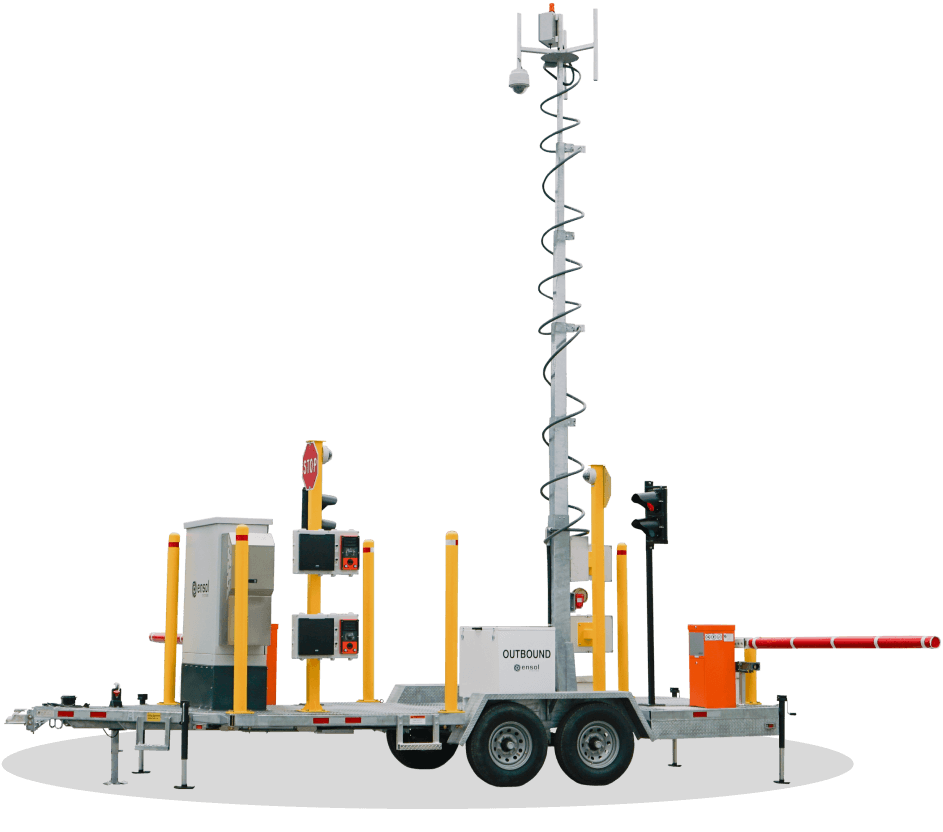
Mobile security trailers run on their own power in remote places. Neeraj built communication to and from the trailers so operators could watch performance and critical operating stages without being on site.
5.2Dex drone box
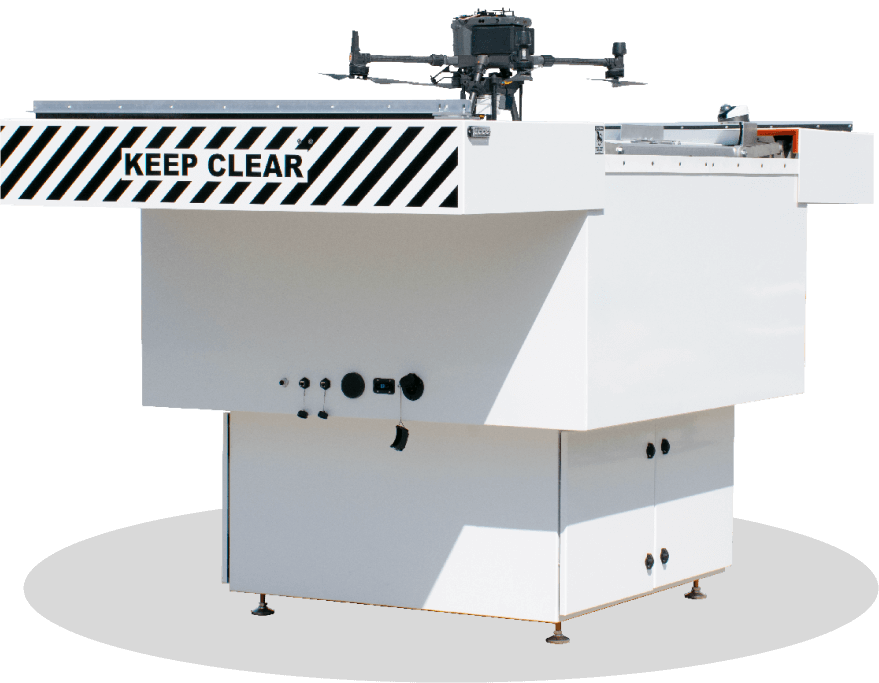
He designed and developed the battery charging system for the Dex drone box, adding a new device workflow to the platform.
5.3Generator monitoring kit
For sites with a backup generator, he built a dedicated monitoring page and a control script for the generator.
6Results
| Result | Value |
|---|---|
| Deployed units, cloud connected | 70–80 |
| Deployed units, standalone | About 200 |
| MQTT payload reduction | About 70% |
| Acquired devices consolidated | 3 devices into 1 feature-stackable board |
| Fuel-cell vendors integrated | 5 |
7Tools
| Area | Tools |
|---|---|
| Embedded and software | C++, Linux, Buildroot, Python and shell scripting, JavaScript, HTML/CSS, PHP |
| Protocols | Modbus TCP/RTU, CAN bus, MQTT, serial, I²C, SPI, TCP/IP, VLAN |
| Hardware | Altium, oscilloscope, bench power supplies, modem configuration |